
Many leaders think they’re trusted—until their team quietly checks out. Learn why trust breaks down and how to rebuild it with real leadership alignment.
(more…)
Many leaders think they’re trusted—until their team quietly checks out. Learn why trust breaks down and how to rebuild it with real leadership alignment.
(more…)Not all top performers make a team stronger—some quietly make it worse.
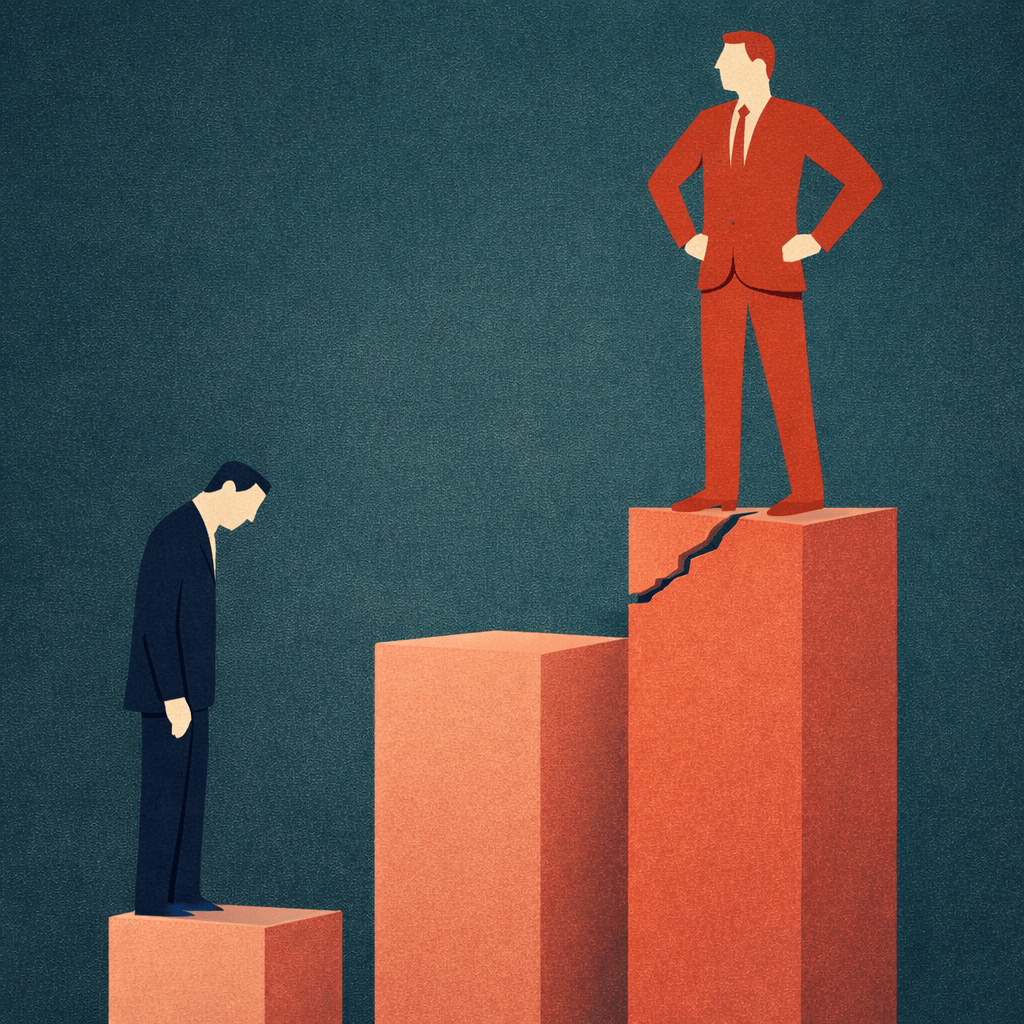
High performance can hide a lot—control, ego, and behaviors that others learn to work around instead of confront. Over time, the cost isn’t just tension. It’s trust, cohesion, and the standard everyone else begins to follow.
(more…)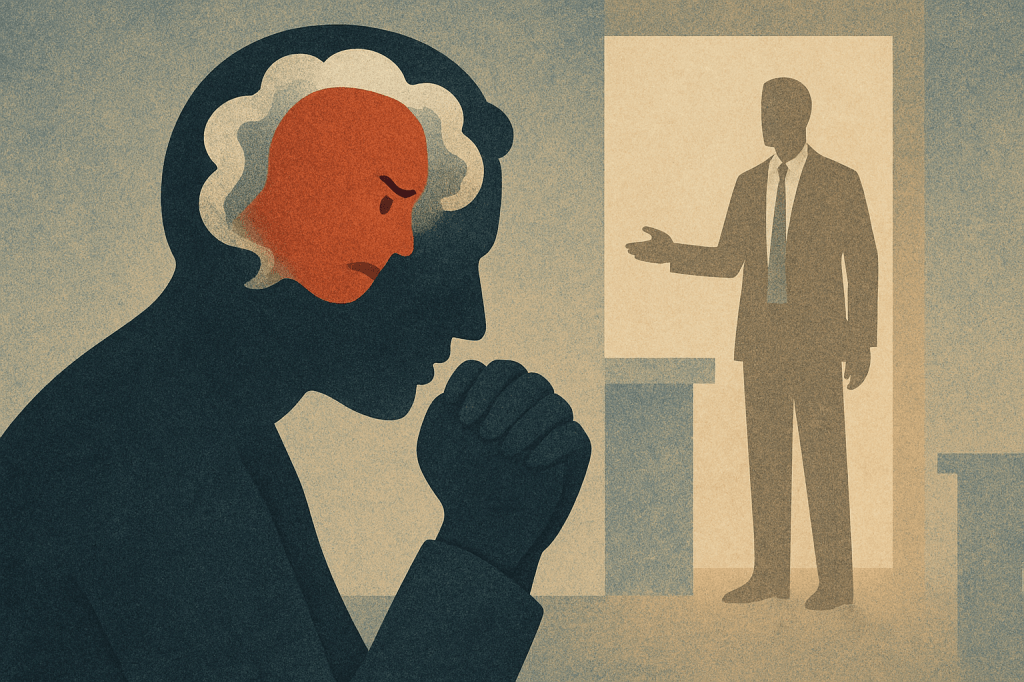
Learn what emotional safety at work really means, how it differs from psychological safety, and why it’s the missing key to building trust, resilience, and high-performing teams.
(more…)“Be so good they can’t ignore you.”
—Steve Martin

Learn how to beat the algorithm in 2025 using Steve Martin’s strategy: be so good they can’t ignore you. This piece explores content excellence, attention psychology, and proven methods to grow your audience organically.
(more…)Why Overfunctioning Leaders Burn Out First

Overfunctioning leaders take on too much, fix too often, and burn out fast. Learn how fixer behavior forms, its psychological roots, and practical steps leaders can take to stop overfunctioning and build sustainable, empowering leadership habits that foster team growth and personal well-being.
(more…)And How to Get it Back

Leadership gaslighting—when well-meaning leaders unintentionally sow self-doubt and mistrust—is a subtle but corrosive issue. Explore its psychological roots, organizational enablers, long-term impacts, and research-backed strategies to rebuild trust and foster transparent, thriving workplaces.
(more…)The Hidden Cost of Saying Too Much
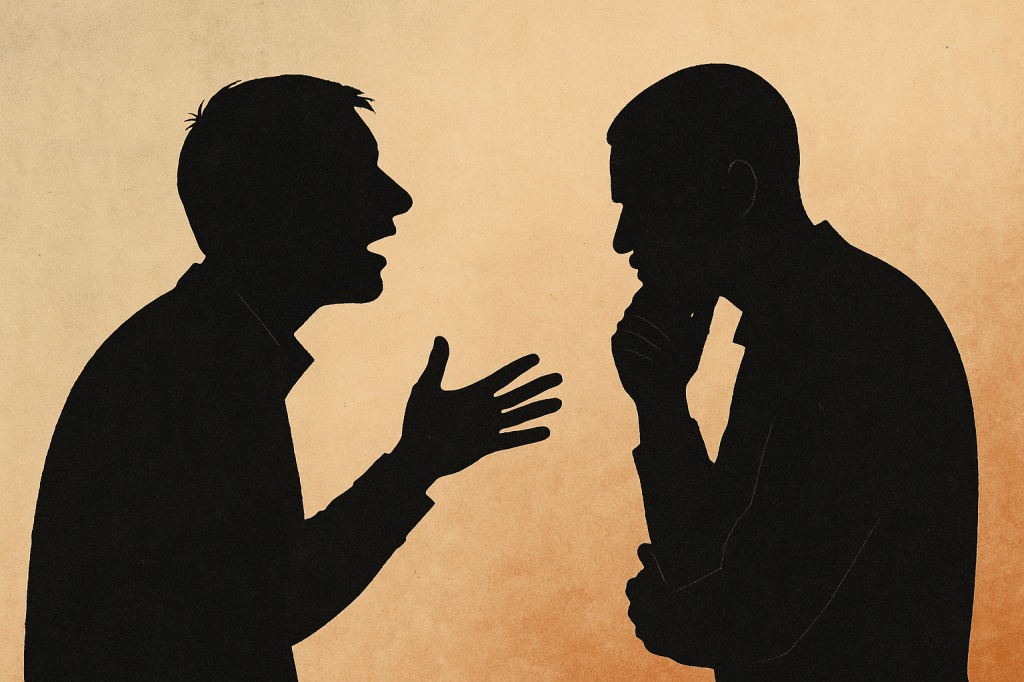
Leadership requires communication.
But too often, leaders mistake volume for value—assuming that more explanation, more clarification, and more words will build more trust.
It rarely works that way.
(more…)The Influence Journal explores leadership, trust, and identity. This post explains the gap in modern leadership thinking—and how we fix it.

Scroll through LinkedIn or browse the leadership section of most blogs, and what you’ll find is content that feels surface-level. Tips and tricks. Clichés dressed up as insight. Motivational soundbites passed off as wisdom.
But what’s missing is substance. Few pieces tackle the complexity of trust, power, fear, character, or identity—the deeper currents that shape how leaders actually lead. The result? Most leadership advice feels detached from the real work of leadership.
(more…)Trust isn’t built through authority—it’s formed in moments most leaders don’t even notice.

People don’t decide to trust a leader all at once—it happens through subtle signals, small interactions, and patterns that either build confidence or quietly erode it. Most leaders miss the moments that matter most.
(more…)The damage begins in small, repeated behaviors that slowly change what a team tolerates.

Toxic leadership doesn’t announce itself. It shows up in small behaviors—control, fear, silence—that slowly reshape a healthy culture into something people no longer recognize. By the time it’s clear, the culture is already compromised.
(more…)It started with a silence. The kind that settles over a once-vibrant team like fog rolling in—gradual, chilling, hard to name. A colleague stopped sharing in meetings. Another began taking calls with their camera off, voice flat, enthusiasm gone. Our leader, once hailed as a visionary, had shifted. Meetings became monologues. Dissent was punished with isolation. And still, on the surface, everything looked fine. We were hitting our numbers. The board applauded. But inside, something essential had fractured.
 The Influence Journal | Leadership, Trust, and the Psychology of Culture