The Influence Journal

Tag: business

  • Leadership Gaslighting: How Good Leaders Accidentally Undermine Trust

    And How to Get it Back
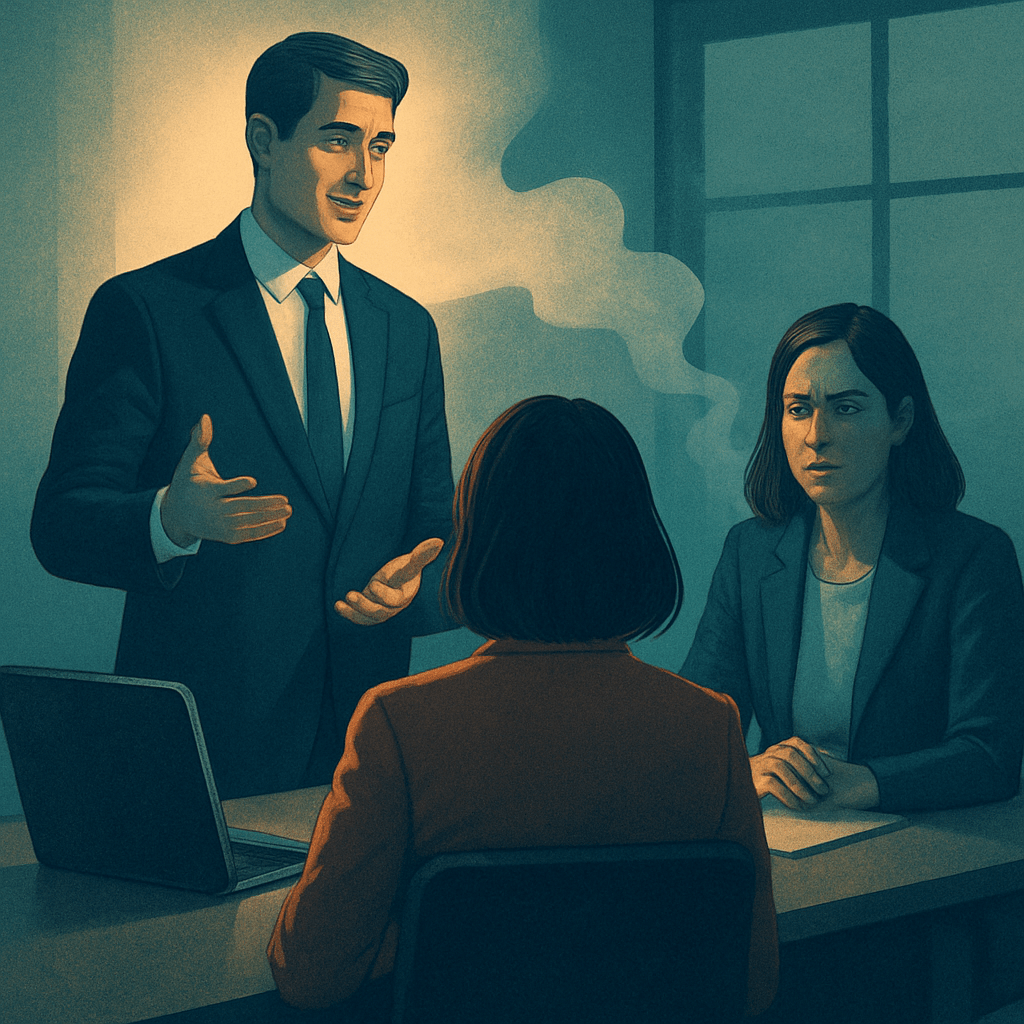

    Leadership gaslighting—when well-meaning leaders unintentionally sow self-doubt and mistrust—is a subtle but corrosive issue. Explore its psychological roots, organizational enablers, long-term impacts, and research-backed strategies to rebuild trust and foster transparent, thriving workplaces.

    (more…)

  • The Leader Who Talks Too Much: Why Over-Explaining Kills Trust

    The Hidden Cost of Saying Too Much


    Leadership requires communication.

    But too often, leaders mistake volume for value—assuming that more explanation, more clarification, and more words will build more trust.

    It rarely works that way.

    (more…)
  • Why I Started The Influence Journal (And What I Want to Change in Leadership)

    The Influence Journal explores leadership, trust, and identity. This post explains the gap in modern leadership thinking—and how we fix it.

    Scroll through LinkedIn or browse the leadership section of most blogs, and what you’ll find is content that feels surface-level. Tips and tricks. Clichés dressed up as insight. Motivational soundbites passed off as wisdom.

    But what’s missing is substance. Few pieces tackle the complexity of trust, power, fear, character, or identity—the deeper currents that shape how leaders actually lead. The result? Most leadership advice feels detached from the real work of leadership.

    (more…)
  • The Psychology of Trust: Why People Follow Some Leaders and Not Others in 2025

    Discover 7 research-backed strategies to build leadership trust in 2025. Learn how psychological safety, consistency, and empathy drive team performance.

    At the end, you’ll find a free toolkit with strategies and frameworks to help you lead with clarity, consistency, and trust.

    (more…)
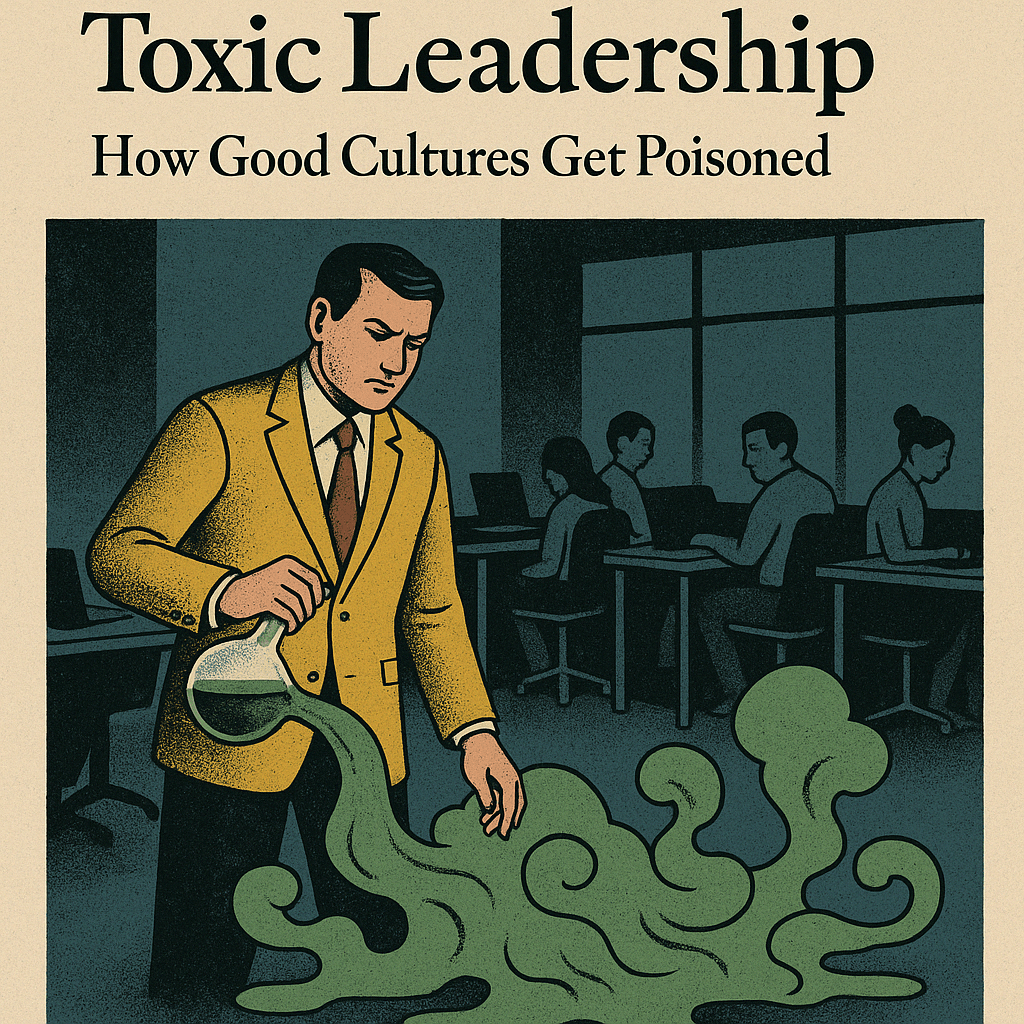
  • The Psychology of Toxic Leadership: How Good Cultures Get Poisoned

    Toxic leadership quietly poisons even the best cultures.

    This in-depth analysis—rooted in research and real-world experience—unpacks the psychology behind destructive leadership, the organizational dynamics that enable it, and practical strategies for restoring trust, psychological safety, and healthy influence in today’s workplace.

    It started with a silence. The kind that settles over a once-vibrant team like fog rolling in—gradual, chilling, hard to name. A colleague stopped sharing in meetings. Another began taking calls with their camera off, voice flat, enthusiasm gone. Our leader, once hailed as a visionary, had shifted. Meetings became monologues. Dissent was punished with isolation. And still, on the surface, everything looked fine. We were hitting our numbers. The board applauded. But inside, something essential had fractured.

    (more…)
  • The Psychology of Decision-Making: How Great Leaders Avoid Cognitive Bias

    Cognitive biases in leadership can quietly sabotage your decisions.

    In this guide, we explore the psychology of decision-making and show how exceptional leaders overcome bias using proven strategies, real-world examples, and practical frameworks for making better choices.

    (more…)
  • Why Psychological Safety Is the Secret Weapon of High-Performance Teams

    And why most leaders unknowingly destroy it.

    Discover why psychological safety is the top predictor of team performance—and how to build it without losing standards, speed, or trust.

    (more…)
  • Your Workplace Is Designed to Distract

    How Modern Offices Sabotage Deep Work and Productivity

    Modern offices are optimized for availability—not focus. Learn how distraction culture, meetings, and digital noise sabotage deep work and drain your team’s productivity.


    Despite all the language about “focus,” “strategy,” and “performance,” most office environments today—both physical and digital—are optimized for availability, not effectiveness. Whether you’re surrounded by the noise of an open office or buried under Slack messages, calendar pings, and meetings about meetings, the result is the same: distraction has become the default. Deep work has become a luxury.

    (more…)
  • The Invisible Promotion: Why Your Most Capable People Are Quietly Quitting Leadership

    High performers aren’t burning out—they’re backing out. Discover why your best people quietly quit leadership, and how to stop the invisible promotion cycle.

    There’s a certain kind of leader every organization quietly leans on. They’re not flashy or dramatic. They don’t ask for the spotlight. But when things go sideways, they’re the ones people trust to bring calm, order, and clarity. Over time, without ceremony or title change, these people become the emotional center of the organization—and that’s exactly when the problem begins.

    (more…)
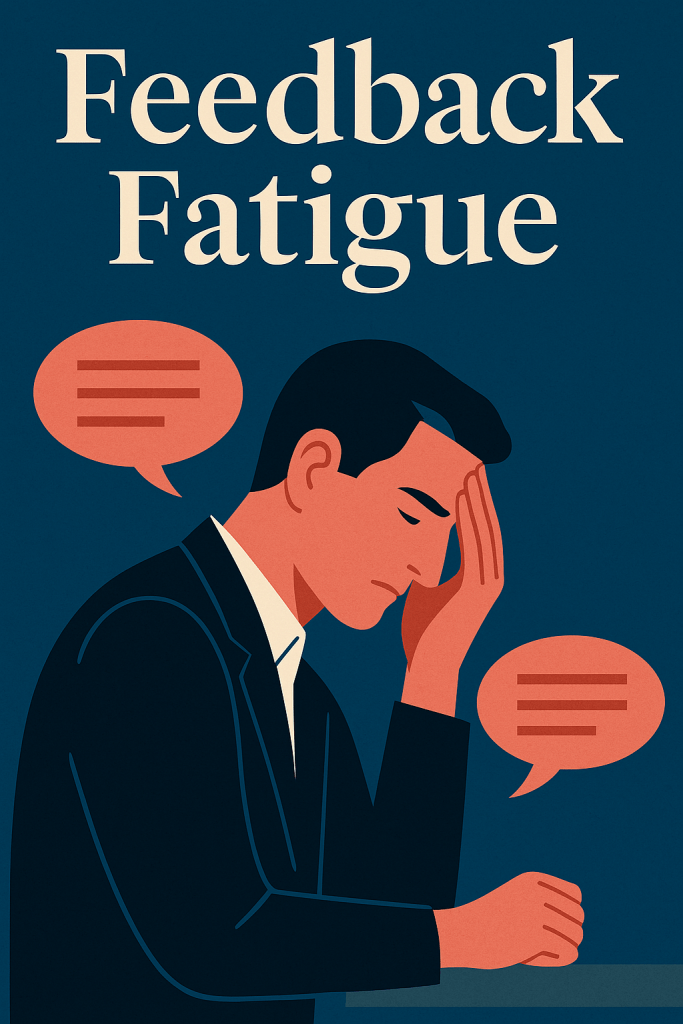
  • Feedback Fatigue: How High-EQ Leaders Burn Out Helping Their Teams Grow

    High-EQ leaders burn out not from lack of care—but from caring too much. Learn the psychology behind feedback fatigue and how to lead without draining yourself.

    (more…)