
Why Some Leaders Will Never Change — and Why Companies Keep Hiring Them Anyway
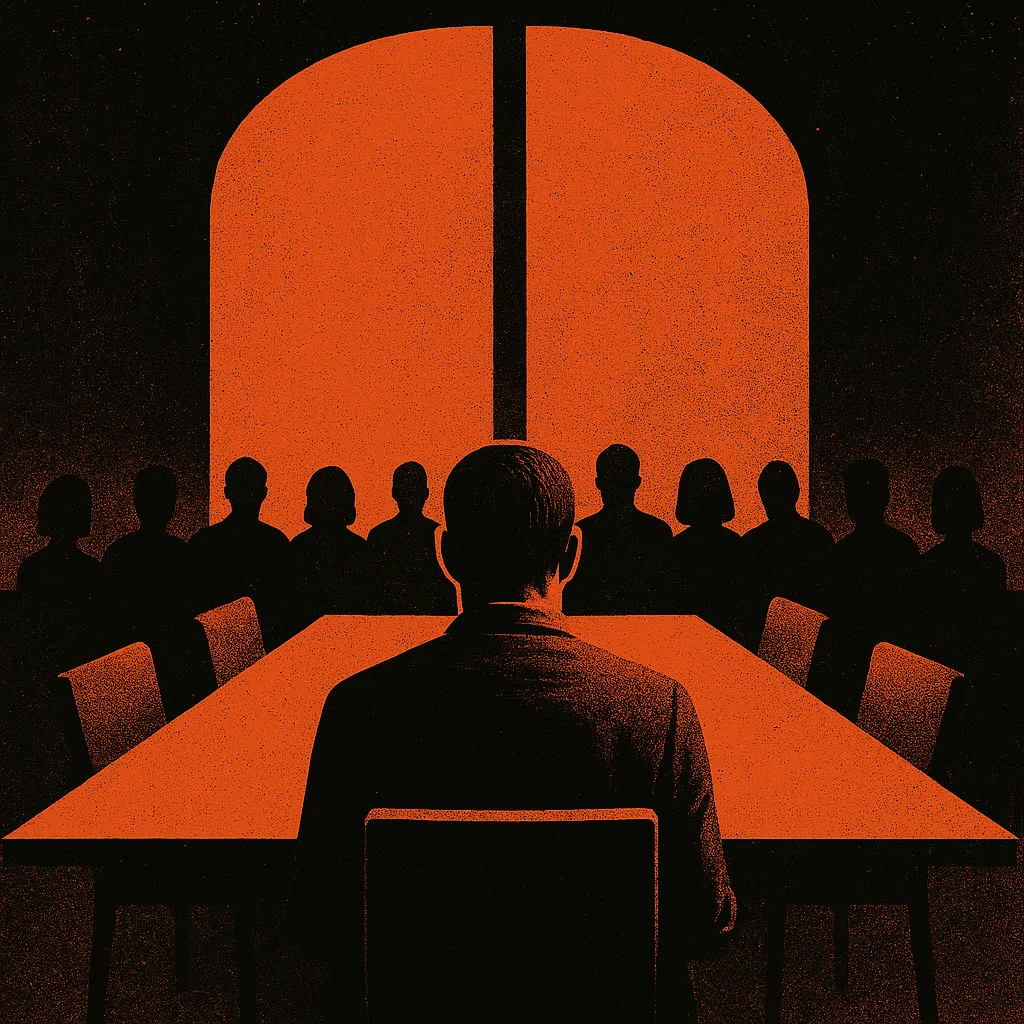
Why do narcissists keep rising to the top of organizations—and what’s the hidden cost of letting them lead? This deep dive exposes how charm, control, and ego-driven leadership quietly erode trust, dismantle culture, and drive out your best people.
In the beginning, they look like saviors. They speak with confidence. They take bold action. They say the hard things that others are too afraid to say, and they do it with the certainty of someone who has never doubted themselves. Within weeks of taking the reins, productivity seems to spike. Decisions get made faster. The team seems sharper. More aggressive. Focused.
But slowly, quietly, something else starts happening. The air grows tense. Team members begin double-checking their words before meetings. High performers stop offering ideas. Conflicts get whispered about, never addressed. And that sense of sharp, decisive leadership starts to feel like something else entirely: control, fear, manipulation.
It’s not just a difficult personality. It’s narcissistic leadership—and it’s more common than anyone wants to admit.
Why Narcissistic Leaders Thrive (At First)
In corporate leadership, narcissism isn’t always seen as a problem. In fact, it’s often rewarded. Narcissistic leaders project confidence, decisiveness, and ambition—traits that boards and investors frequently mistake for vision and strength. The same qualities that make them dangerous over time are often what get them hired in the first place.
They know how to perform clarity. They speak in absolutes. They make fast decisions, assign blame quickly, and claim wins aggressively. In an environment where leaders are expected to show immediate returns and nonstop momentum, a narcissist can seem like the ideal candidate—at least on the surface.
Their charm is calculated, not relational. Their presence is magnetic but ultimately transactional. And the loyalty they build is rarely rooted in trust. It’s rooted in fear, dependence, or reward-based manipulation.
For a while, it works. Numbers improve, mostly through short-term wins: layoffs that boost profit margins, pressure that squeezes more out of burned-out teams, restructures that look good on paper but quietly erode collaboration. Internally, the culture begins to splinter—but from the outside, things look sharp. For investors, that’s often enough. Narcissistic leaders don’t just survive in this environment—they rise.
The Hidden Damage Narcissistic Leaders Cause
It often takes a year—sometimes less, sometimes more—before the deeper problems emerge. Trust begins to rot from the inside out. Feedback loops collapse. Innovation slows, not because people don’t have ideas, but because they’ve learned not to speak. The team becomes reactive instead of proactive, and leaders below the narcissist are forced into one of two roles: enabler or scapegoat.
Meanwhile, the narcissistic executive continues to reframe their behavior as strength. If people are leaving, it’s because they “couldn’t keep up.” If projects are stalling, it’s “a talent issue.” If team morale is visibly declining, they chalk it up to “resistance to change.” What they never say is, “This is happening because of how I lead.”
Narcissists don’t take ownership of systemic harm—they redirect it. And because they’re usually several levels removed from the daily relational dynamics of their teams, they can convince themselves—and everyone above them—that the real issue is everyone else.
The cost of this kind of leadership is hard to quantify until it’s too late. Top performers leave quietly. Middle managers burn out. HR becomes overwhelmed trying to triage the damage. Meanwhile, the brand begins to suffer from the inside out. High-trust collaboration becomes almost impossible. Psychological safety disappears. And decision-making, once fast and bold, becomes erratic and self-protective.
Eventually, even the short-term wins begin to unravel.
Why Boards Keep Hiring Narcissists
There’s a frustrating irony here. The very traits that make narcissistic leaders dangerous are the same ones that get them hired and promoted. They’re often highly articulate. They present themselves as visionaries. They know how to speak to pain points in a way that sounds strategic. They’re deeply persuasive during interviews, especially to people who are evaluating “leadership presence” rather than psychological maturity.
Boards fall for the same myth over and over again: the myth of the “tough but brilliant” leader who doesn’t suffer fools and knows how to get results. But toughness without self-awareness is just volatility. And brilliance without emotional intelligence becomes a liability the moment pressure mounts.
The truth is, most companies aren’t great at evaluating character. They evaluate achievement, not cost. They measure confidence, not humility. They mistake charisma for competence. And when a narcissist walks into that environment, they don’t just thrive—they dominate.
The Psychological Cost of Leading Under a Narcissist
For the people under them, the cost is rarely just professional. It’s personal.
Working under a narcissistic leader is disorienting. One day you’re praised publicly. The next, you’re subtly undermined. They remember your wins when it benefits them—but they also take credit for your ideas and rewrite history to serve the narrative that they’re the center of the company’s success. You begin to question your instincts. You stop trusting your voice. And eventually, you begin to withdraw—not out of laziness, but out of self-preservation.
People who lead under narcissists become shadows of the leaders they once were. They lose their spark, their edge, their creative energy. They go into defense mode. They become careful, guarded, reactive. Over time, they either leave or adapt—and adaptation often means absorbing traits they once hated.
That’s the most insidious part: narcissistic leadership doesn’t just harm individuals—it reshapes entire cultures. It teaches people that trust is dangerous, that power is everything, and that the only way to survive is to self-protect.
The Business Case for Ending Narcissistic Leadership
Even if you don’t care about morale, burnout, or team health—and let’s be honest, some executives don’t—there’s still a strong business case against narcissistic leadership. These leaders often create a surge in activity, but not in sustainability. Their decisions are optimized for optics and ego, not for long-term viability. They burn through goodwill, wear out key talent, and leave behind cultures that are brittle and cynical.
Turnover increases. Institutional knowledge walks out the door. Innovation slows because no one feels safe to experiment. Departments stop collaborating because they’re afraid of being blamed for failures they didn’t cause. Meanwhile, customers start to feel the effects—slower response times, inconsistent service, tone-deaf messaging. And by the time the board realizes what’s happened, the leader has usually moved on, taking credit for the temporary wins and leaving someone else to clean up the fallout.
You can’t build a healthy organization on charisma and control. It will eventually collapse under its own weight.
What Healthy Leadership Actually Looks Like
By contrast, sustainable leadership is marked by something far less dramatic: trust, consistency, and emotional discipline. Healthy leaders don’t need to dominate a room to lead it. They don’t center themselves in every story. They don’t weaponize performance reviews, or manipulate loyalty, or undermine people to preserve their image.
They create safety. They foster collaboration. They ask hard questions without making people feel small. And they know how to take responsibility for their mistakes—publicly, not just privately.
They don’t just deliver results. They develop people. They build organizations that can function without them.
That’s not as flashy as a narcissist’s charm. It won’t make headlines. But over time, it will make an organization far more resilient, innovative, and stable.
How to Spot the Narcissist in the Corner Office
The signs are usually subtle—at first. They interrupt constantly, but call it “passion.” They collect credit, but say it’s “just part of the job.” They ask for feedback but never act on it. They isolate dissenters by painting them as negative, uncommitted, or not “on board with the vision.”
They give public praise and private punishment. They insist they care about people, but show no interest in anyone they can’t use. They refuse to be wrong. They minimize harm. They create confusion and then call it complexity.
If you feel like you’re going crazy under their leadership, it’s not in your head. That’s the environment they create. Narcissists aren’t just hard to work for—they erode your sense of reality.
And worst of all, they rarely change. Not because change is impossible, but because they don’t believe they need to. In their mind, the problem is always someone else.
The Bottom Line
Narcissists will continue to rise in leadership until organizations change what they reward.
As long as boards chase short-term wins, promote charisma over character, and ignore the cost of cultural dysfunction, narcissistic leaders will keep finding their way into power. They will keep damaging teams, repelling healthy talent, and creating organizations that succeed on the outside and rot from the inside.
But it doesn’t have to be that way.
Every time a company chooses a humble, grounded, emotionally intelligent leader over a loud, magnetic, ego-driven one—they’re not just making a moral decision. They’re making a strategic one.
They’re betting on trust. On longevity. On the idea that what makes leadership effective isn’t image or dominance—it’s integrity.
And in the long run, that’s the only kind of leadership that lasts.
🔎 Struggling to Tell If It’s Them—or You?
Download The Trust Gap Diagnostic – a 10-point leadership audit designed to spot subtle signs of dysfunction, misalignment, and trust erosion on your team.
Because not all toxicity is loud—and not all leaders are safe just because they’re successful.


Leave a comment