
Learn what emotional safety at work really means, how it differs from psychological safety, and why it’s the missing key to building trust, resilience, and high-performing teams.
Most conversations about workplace safety stop at compliance: clear exits, fair policies, and maybe an HR complaint box. If the conversation goes deeper, it usually lands on psychological safety—the ability to speak up without fear of punishment.
But there’s a layer underneath even that.
It’s not just about saying what you think. It’s about being able to feel what you feel—and still belong.
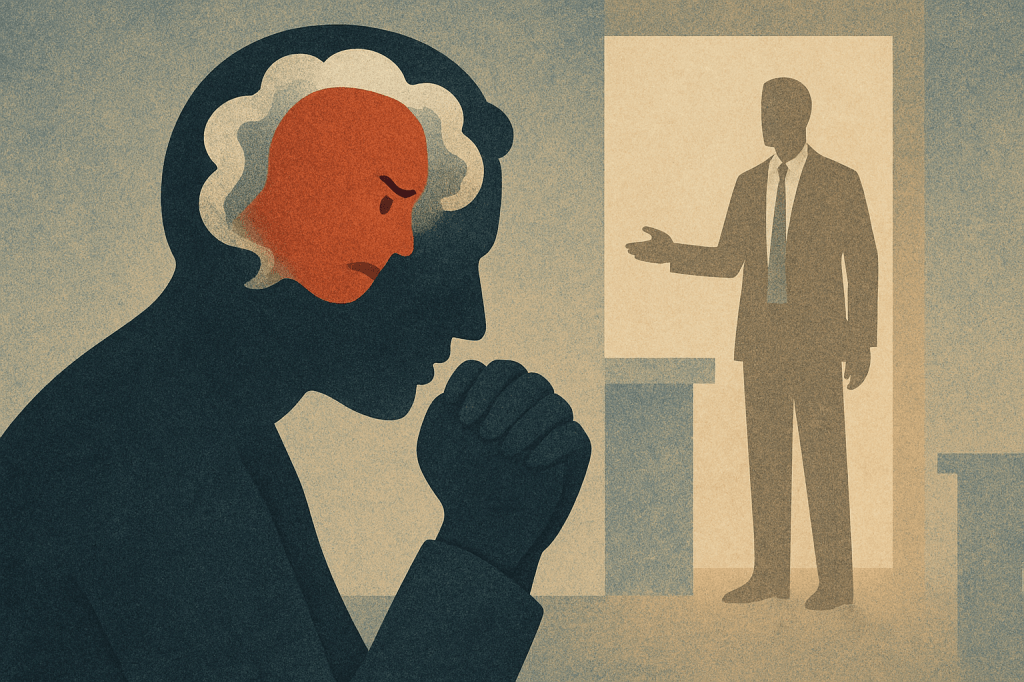
This is emotional safety. And while it’s nearly invisible, it shapes everything: trust, creativity, conflict, retention. Without it, you don’t have a team—you have a room full of masked performers waiting for the meeting to end.
Let’s talk about what emotional safety really means, how it differs from psychological safety, and why great leaders are learning to prioritize it.
The Overlooked Core of Trust
Emotional safety is the felt freedom to express emotions without fear of ridicule, retaliation, or relational withdrawal. It’s what allows people to say things like:
- “I’m frustrated with how this went.”
- “I’m not sure I’m okay right now.”
- “I care about this, and I’m afraid I’ll mess it up.”
It’s not permission to be messy—it’s assurance that being human won’t cost you credibility. In emotionally safe environments, people can admit fear without being considered weak. They can express anger without being labeled difficult. They can be honest without earning distance.
This is deeper than psychological safety. Psychological safety is about what you say. Emotional safety is about who you are while you say it.
For a deeper dive into the mechanics of psychological safety and its impact on performance, read this article.
And leaders ignore it at their peril. According to research by Dr. Laura Delizonna, teams with high emotional intelligence and safety outperform others in innovation, trust, and problem-solving.¹ When people feel safe to be real, they bring their full intelligence—not just their filtered personas.
The Quiet Signs of Emotional Risk
Most emotionally unsafe environments don’t look abusive on the surface. They look polished. Quiet. Civil. But under the surface, people are scanning for threat.
Here’s how emotional unsafety hides in plain sight:
- Disagreement is interpreted as disloyalty.
When dissent leads to coldness or consequences, people stop speaking up—even when something’s broken. - Everyone smiles, but nothing real gets said.
Politeness becomes a form of self-protection. Team members nod in agreement while quietly disengaging. - High performers stop pushing.
When honesty is punished and vulnerability gets you sidelined, even the best people shrink. They deliver output, but not insight. - Image becomes more important than truth.
People prioritize optics over ownership. Feedback becomes filtered, curated, and ultimately useless.
This behavior isn’t malicious. It’s adaptive. People play it safe when emotional honesty becomes a liability.
In fact, a Gallup study found that only 3 in 10 employees strongly agree they can express opinions at work without negative consequences.² That’s not just a trust gap—it’s a business problem.
Why Emotional Safety Fuels Real Performance
Emotionally safe cultures aren’t just kinder. They’re smarter.
Because when people aren’t using energy to brace themselves, they use it to solve problems.
Here’s what happens when emotional safety is present:
- Conflict gets addressed instead of buried.
- Feedback loops get faster—and more honest.
- Creativity goes up, not down, in high-pressure moments.
- Loyalty becomes intrinsic—not performance-dependent.
The Harvard Business Review reports that companies with high psychological and emotional safety see increased innovation, accountability, and sustained team performance—especially under stress.³
When emotional safety is missing, everything slows down. Ideas get filtered. Risk-taking disappears. And the people you most need to speak up, stay silent.
What Emotionally Safe Leaders Actually Do
Emotional safety doesn’t start with HR. It starts with the leader.
And the most emotionally safe leaders don’t just talk about “people skills.” They embody them.
Here’s what that looks like in the wild:
- They regulate themselves first.
They stay calm when others are emotional. They don’t mirror panic. They absorb it. - They create space for emotion without demanding it.
“You don’t have to share more than you want—but you won’t be punished if you do.” - They respond with curiosity, not control.
“Tell me more” replaces “Don’t be so sensitive.” - They take feedback without flinching.
When confronted, they listen without shrinking or shifting blame. - They’re consistent in tone, not just policy.
Emotional safety is destroyed by unpredictable warmth—when people don’t know which version of you they’re going to get.
This isn’t about coddling. It’s about predictability under pressure. The safest leaders are the most emotionally reliable.
How to Build Emotional Safety Into the Bones of Your Culture
This isn’t a vibe shift. It’s a leadership strategy.
Here’s how to start weaving emotional safety into your culture:
For leaders:
- Ask how people are doing—not just what they’re doing.
- Thank people for emotional honesty, not just efficiency.
- Admit your own emotional reality in appropriate ways. (It’s not TMI—it’s leadership modeling.)
- Avoid using tone or silence as punishment.
For teams:
- Use “Red / Yellow / Green” emotional check-ins at the start of tough meetings.
- Build postmortems that focus on learning, not blame.
- Create language for emotional honesty:
“I’m not at my best today, but I want to contribute.”
These are micro-behaviors. But culture is built in the micro.
Final Thought: Trust Without Emotional Safety Is Performative
You can build systems. You can hold one-on-ones. You can repeat the word “trust” until it echoes off your culture’s walls.
But if people have to wear armor to survive your leadership, you don’t have trust. You have theater.
When leaders prioritize emotional safety, the masks come off. The work gets real. And teams start to feel not just aligned—but alive.
It’s not a soft skill. It’s a strategic edge.
Start there.
📚 Sources:
- Delizonna, L. (2017). High-Performing Teams Need Psychological Safety. Here’s How to Create It. Harvard Business Review.
- Gallup. (2017). State of the American Workplace Report.
- HBR Staff. (2021). Why Psychological Safety Matters and What to Do About It. Harvard Business Review.


Leave a reply to The ROI of Workplace Culture: Why Most Companies Undervalue What Drives Their Success – The Influence Journal | Leadership, Trust, and the Psychology of Culture Cancel reply